
Creating Environmentally-Friendly and Energy-Efficient Interiors
In today's world, where sustainability and energy efficiency are becoming increasingly important, creating environmentally-friendly interiors is a great way to contribute to a greener planet. By incorporating energy-efficient elements into your home or workspace, not only can you reduce your carbon footprint but also lower your utility bills in the long run. Let's explore some tips on how to achieve this:
1. Use Sustainable Materials
Opt for furniture and decor made from sustainable materials such as reclaimed wood, bamboo, cork, or recycled metal. These materials are not only eco-friendly but also add a unique touch to your interiors.
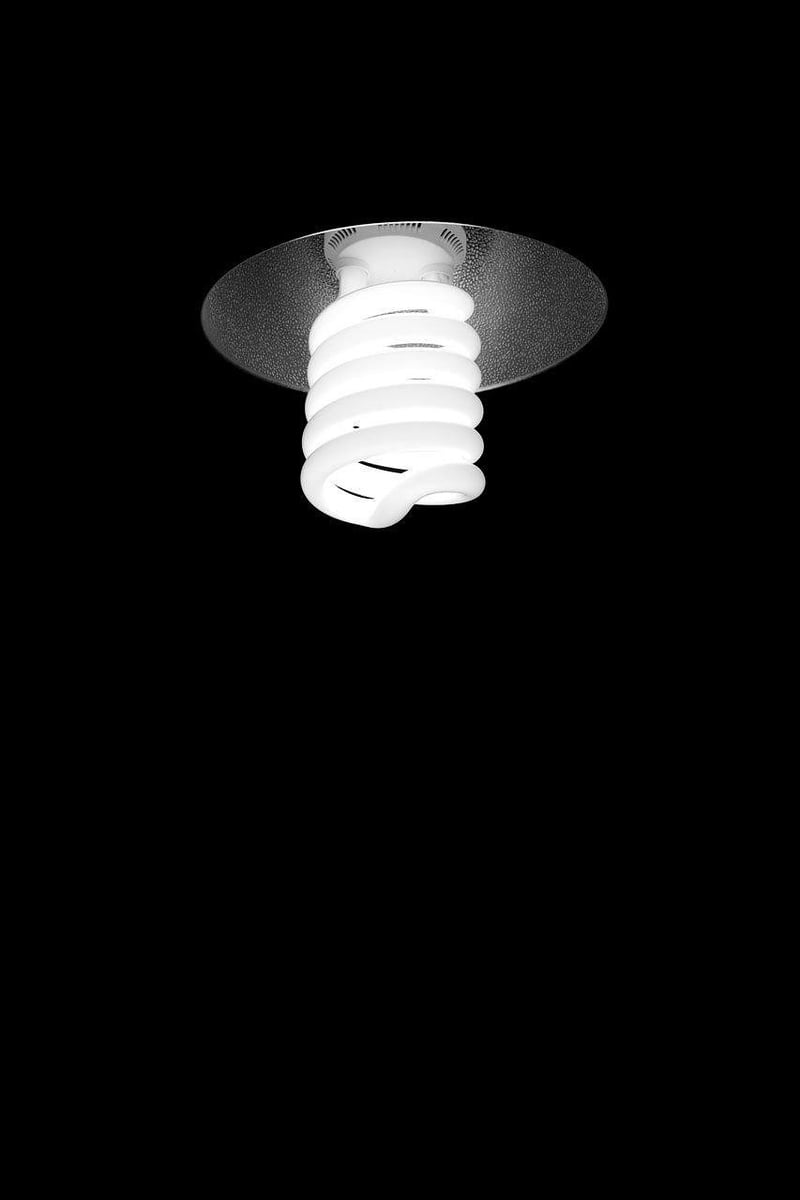
2. Energy-Efficient Lighting
Switch to LED bulbs which consume less energy and last longer than traditional incandescent bulbs. Consider installing dimmer switches to adjust light levels based on your needs and make use of natural light during the day whenever possible.
3. Proper Insulation
Ensure your home or office is well-insulated to prevent heat loss in the winter and keep cool air inside during the summer. Proper insulation can significantly reduce your heating and cooling costs while making your space more comfortable.
4. Energy-Efficient Appliances
When purchasing new appliances, look for energy-efficient models with high ENERGY STAR ratings. These appliances consume less electricity, saving you money on your energy bills while being kinder to the environment.
5. Indoor Plants
Not only do indoor plants add a touch of greenery to your space, but they also help improve indoor air quality by absorbing pollutants. Choose low-maintenance plants like snake plants, pothos, or spider plants to enhance your interiors.
6. Water Conservation
Install water-saving fixtures such as low-flow faucets and showerheads to reduce water consumption. Consider collecting rainwater for watering plants or installing a greywater system to reuse water from sinks and showers.
7. Sustainable Flooring
Opt for eco-friendly flooring options like bamboo, cork, or reclaimed wood. These materials are durable, renewable, and add a natural element to your interiors while reducing the environmental impact of traditional flooring materials.

By following these tips and incorporating environmentally-friendly and energy-efficient elements into your interiors, you can create a space that is not only aesthetically pleasing but also sustainable and cost-effective in the long term.
Let's strive together to make our living and working spaces more eco-friendly and energy-efficient!